
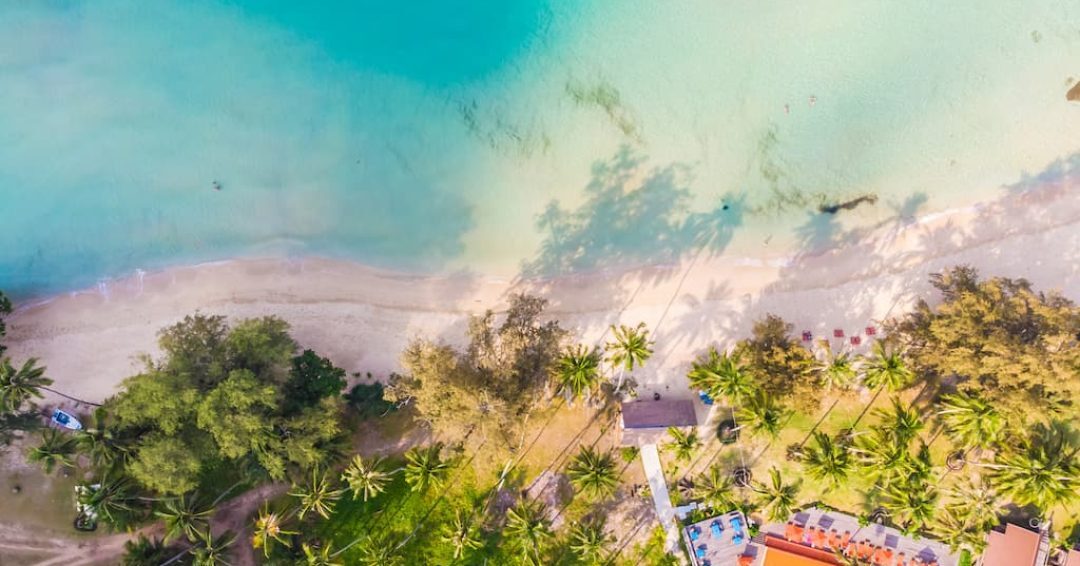
Remote luxury architecture looks different before construction starts.
You see the view. The privacy. The landscape that makes the location special. What you don’t see is the infrastructure that doesn’t exist yet. No power line reaching the property. No municipal water connection. Sometimes no road that can handle construction equipment. Often no cell service to coordinate deliveries.
This is the reality of remote site luxury architecture. And if you’re considering building on land that’s genuinely remote – not just at the end of a long driveway, but actually distant from infrastructure – you need to understand what that means before you commit to the property or the design.
I’ve designed luxury homes on properties where getting materials to the site became a bigger challenge than the architecture itself. Projects where the water source required drilling through 600 feet of granite. Sites where the nearest available contractors were two hours away and housing them became part of the project budget. Islands where every delivery required barge coordination and weather window planning.
The romance of remote land is immediate and powerful. But the practical challenges of building there are specific, costly, and often misunderstood until you’re already committed.
Here’s what most people don’t realize: remote sites don’t just make construction harder. They change what’s possible. Your material choices get constrained by delivery methods. Your timeline extends because of coordination challenges. Your budget increases not because of markup, but because of the actual cost of solving logistics that don’t exist on accessible sites.
The question isn’t whether these challenges can be solved. They can. I solve them regularly across different types of remote terrain – mountain properties, island sites, coastal locations with no road access. The question is whether you understand what you’re taking on before you’ve purchased the land and hired contractors who’ve never worked on truly remote sites.
Remote site luxury architecture requires different planning from the beginning. You can’t design the home and figure out logistics later. The logistics shape the design. They inform your approach to power, water, site access, material delivery, and construction management in ways that fundamentally differ from building in accessible locations.
Let me walk you through how this actually works. Not theory, but the practical realities of what it takes to build luxury residential projects where infrastructure doesn’t exist yet.
Why Most People Underestimate Remote Site Luxury Architecture Challenges
Here’s what happens when clients first look at remote property: they see the view. They imagine the home. They picture themselves there. What they don’t see is the invisible infrastructure that makes modern living possible.
We take it for granted. You flip a switch, lights come on. You turn a faucet, water flows. You order materials, trucks deliver them the next day. These assumptions are so fundamental that most people don’t even register them as assumptions until they’re building on land where none of it exists.
I’ve watched smart, successful people – people who’ve built businesses, managed complex projects, made sophisticated investment decisions – completely misjudge what building on remote land actually requires. Not because they’re careless. Because remote challenges don’t scale linearly.
If you’re building 10 miles from town instead of two miles from town, you might think the difficulty increases by a factor of five. It doesn’t. It increases exponentially. Every additional mile from infrastructure creates cascading complications that affect every aspect of the project.
The site that’s 10 miles from the power grid might cost $400,000 to connect versus $80,000 for the site that’s two miles out. But it’s not just the connection cost. It’s the eight months of utility coordination. It’s the environmental permits for crossing streams. It’s the easement negotiations with three different property owners. It’s the decision about whether to spend that money on grid connection or invest in an off-grid system that gives you independence.
Here’s another misconception: people think remote just means “hard to reach.” But there are degrees of remoteness, and they matter enormously for planning and budget.
A property that’s at the end of a rough dirt road is challenging. A property that requires building a new road across unstable terrain is exponentially more complex. A property accessible only by boat or helicopter isn’t just remote – it fundamentally changes how construction happens. You’re not bringing in standard material deliveries. You’re orchestrating an operation that looks more like a military supply chain than typical residential construction.
I’ve seen island projects where clients assumed boat access would be the only complication – similar to building in an accessible location, just with water transport. That assumption leads to budget increases of $500,000 to $1 million and timeline extensions of 12 to 18 months.
Not because of design changes. Because of logistics he hadn’t accounted for. Generator systems for construction power. A desalination plant because the island had no freshwater source. Temporary housing for construction crews. Material staging on the mainland and barge scheduling. Storm-related delays because weather windows for water transport are limited. Equipment breakdowns that require flying in technicians from three states away.
The architecture itself was relatively straightforward. The logistics were the project.
This is what I try to help clients understand early: on truly remote sites, the logistics aren’t separate from the architecture. They’re part of the architectural challenge. How you solve power, water, access, and team coordination directly shapes what you can build, how you build it, and what it costs.
The clients who succeed on remote sites are the ones who understand this going in. They don’t fight against the remoteness. They plan for it. They budget for it. They design with it. And because they approach it correctly from the beginning, they end up with exactly what they wanted – a spectacular home in an extraordinary location, completed without the chaos and cost overruns that plague remote projects where logistics were treated as an afterthought.
Site Access and Material Delivery for Remote Luxury Homes
Let me start with the most fundamental challenge: getting materials to the site. This isn’t about convenience. It’s about whether certain construction approaches are even possible.
Road Assessment and Improvement
The first question I ask about any remote property is what exists for access. Not what could theoretically work, but what actually exists right now.
Is there a drivable road that reaches the building site? Can that road handle loaded concrete trucks, which can weigh 66,000 pounds? Can it accommodate 53-foot tractor trailers carrying steel beams or roof trusses? Does it maintain passability in winter, during spring mud season, or after heavy rain?
I’ve seen roads that look fine in summer become impassable nightmares in spring. I’ve seen access routes that work for pickup trucks but can’t handle the turning radius of a loaded concrete mixer. These aren’t details you can gloss over.
When existing roads won’t work, you have three options:
- Improve the existing road – grading, widening, reinforcing soft sections, improving drainage. This typically costs $50,000 to $200,000 depending on length and terrain, but it’s often the most economical solution if the basic route is sound.
- Build a new road – when the existing route is fundamentally inadequate, you’re looking at $100,000 to $500,000 per mile depending on terrain, cuts, fills, and drainage requirements. I’ve had projects where road construction was the single largest line item in the site development budget.
- Accept limited access and adapt – some sites simply won’t support standard road access at reasonable cost. In these cases, you design around alternative delivery methods.
I’ve had projects where road construction would have cost over $1 million for just a few miles – steep mountain terrain requiring extensive cut-and-fill work, drainage engineering, and ongoing maintenance. In those cases, alternative delivery methods often make more economic sense than forcing conventional road access.
Alternative Delivery Methods
When standard road access isn’t viable, you get creative. And by creative, I mean you use methods that sound exotic but are actually proven approaches for luxury architecture on remote land.
Helicopter delivery: For mountain sites with no road access, helicopters become construction equipment. Heavy-lift helicopters can carry 10,000 to 20,000 pounds per load depending on altitude and weather. This sounds insane until you realize it can be more economical than building miles of mountain road.
For mountain sites requiring helicopter delivery, everything must be designed around lift capacity and dimensions. Concrete gets mixed on-site using bagged dry mix – more expensive per yard than ready-mix, but feasible where concrete trucks can’t reach. Structural steel comes in sections sized for helicopter payload limits. Lumber packages get bundled specifically for aerial delivery.
This approach typically adds 15% to 20% to construction costs versus conventional delivery. But when road construction would cost significantly more and delay the project by months, helicopter delivery becomes the economically sound choice.
Barge and boat delivery: For island and coastal sites, water access becomes your primary delivery route. This works remarkably well for large, heavy materials. You can move more weight by barge than by any land-based method.
The challenge is staging and scheduling. Materials arrive at a mainland dock, get loaded onto barges, transport to the island, offload at whatever landing site exists, then move to the building site. This requires coordination with barge operators, tide schedules, and weather windows. You can’t just call when you need something delivered tomorrow.
I plan water-accessed projects with staging areas on both mainland and island. Materials accumulate at the mainland staging point, then move in consolidated barge loads on scheduled days when weather permits. This minimizes water crossings and reduces the impact of weather delays on the overall construction schedule.
Cable systems and machinery: For remote sites with elevation changes and no vehicle access, cable-based delivery systems can move materials from a road-accessible staging area to the building site. Think ski lift technology adapted for construction.
These systems cost $100,000 to $400,000 to install but can move thousands of pounds per hour once operational. They work in weather that would ground helicopters. For steep mountainside or cliff sites where building roads is geographically impossible, cable systems provide the only viable alternative.
Material Staging Strategy
On remote luxury architecture sites, you can’t rely on just-in-time delivery. You need strategic staging areas where materials accumulate before moving to the final location.
This means planning for:
- Protected storage at the staging area – weather protection for materials sensitive to moisture or sun exposure.
- Security – remote staging areas are targets for theft; materials sitting unguarded for weeks need protection.
- Organization systems – when you’re moving materials in batches rather than as-needed, you need tracking systems to know what’s where.
- Equipment for on-site movement – all-terrain forklifts, skid-steers, or manual handling equipment depending on site conditions.
The cost of staging infrastructure – temporary buildings, fencing, equipment – typically runs $30,000 to $150,000 on remote projects. But it’s not optional. Without proper staging, materials get damaged, lost, or delivered in the wrong sequence, creating construction delays that cost far more than the staging infrastructure.
Power Infrastructure
Power is where remote site planning gets serious about numbers. You need electricity for construction, and you need it for the finished home. These are separate challenges with different solutions.
Grid Connection Analysis
The first question is whether grid connection is even feasible. Utility companies will extend power lines to your property, but you pay for it. The cost structure is brutal: roughly $30,000 to $80,000 per mile of line extension depending on terrain and voltage requirements.
If you’re three miles from the nearest transformer, you’re looking at $90,000 to $240,000 just for the connection. And that’s assuming straightforward routing. If the line crosses streams requiring permits, traverses steep terrain requiring special poles and hardware, or needs easements across multiple properties, costs escalate quickly.
I’ve seen grid connection quotes exceed $500,000 for particularly challenging routes. At that point, you’re comparing the cost of connection against the cost of a permanent off-grid power system – and the off-grid system starts looking attractive.
But there’s another factor: timeline. Utility companies don’t prioritize single-property line extensions. From application to energization, expect 12 to 24 months. I’ve had projects where utility coordination took longer than the actual construction.
This timeline issue affects construction power. You can’t wait two years for grid connection to start building. You need power immediately, which means temporary systems regardless of your permanent power solution.
Construction Power Solutions for Remote Sites
During construction, you need reliable power for tools, equipment, temporary lighting, and in some cases, temporary heating or cooling for material curing. On remote sites, this comes from generators.
For typical luxury residential construction, I specify generator systems sized for:
- 30 to 50 kW for smaller projects – adequate for basic power tools, lighting, and small equipment.
- 75 to 125 kW for larger projects – handles multiple crews, heavy equipment, concrete pumps, and temporary climate control if needed.
- Redundant backup units – because generator failure on a remote site means work stops until repair or replacement, which can take days.
Diesel generators are standard because diesel fuel stores reliably and provides consistent power output. Propane works but requires larger tank volumes for equivalent runtime.
Generator costs for a typical 12 to 18-month construction period: $25,000 to $60,000 including rental, fuel delivery, and maintenance. On truly remote sites where fuel delivery is complicated, this can reach $100,000.
One critical detail: generator placement and noise management. Generators are loud. At 75 decibels or more at typical distances, they’re disruptive to the work environment and potentially problematic if there are neighbors within a mile. I place construction generators in natural depressions or behind berms when possible, and specify sound-attenuated enclosures for sensitive locations.
Permanent Off-Grid Systems for Luxury Homes
When grid connection costs approach $300,000 or more, or when the client values energy independence, permanent off-grid power systems become the solution.
Modern off-grid systems combine three elements:
- Solar arrays sized for daily consumption plus battery charging – typically 15 to 40 kW of panels for a luxury home depending on size, climate, and usage patterns.
- Battery storage providing 24 to 72 hours of autonomy – lithium battery banks ranging from 50 to 200 kWh capacity, sized to handle overnight loads and short cloudy periods.
- Backup generators for extended low-sun conditions – 20 to 40 kW propane or diesel units that kick in when batteries drop below threshold levels, sized to power essential loads and recharge batteries.
A properly designed off-grid system for a 4,000 to 6,000 square foot luxury home costs $120,000 to $250,000 installed. This includes solar arrays, battery systems, generator backup, transfer equipment, and system monitoring.
Compare this to a $400,000 grid connection, and the off-grid approach looks economically sound. But there’s a lifestyle consideration: off-grid systems require management. Not constant attention, but awareness of energy consumption patterns and willingness to occasionally adapt usage to available power.
My clients who thrive with off-grid systems are ones who appreciate the independence and find the occasional constraints acceptable. Clients who expect power to be invisible and limitless – where you never think about how much energy you’re using – should spend whatever it takes to connect to the grid.
Hybrid Systems
There’s a middle approach that I increasingly recommend: grid connection with substantial solar and battery backup. This gives you the reliability of grid power with significant independence for normal operations and complete backup capability for outages.
In many remote locations, grid power is available but unreliable. Storm-related outages, fire season power shutoffs, or simple distance-related service challenges mean the grid connection doesn’t provide the reliability luxury homeowners expect.
A hybrid system uses grid power as the primary source and backup, but operates primarily on solar during daylight hours and stored battery power overnight. The grid connection ensures you never run short, but you’re drawing from it minimally. This reduces ongoing energy costs while maintaining unlimited power availability.
Hybrid systems cost more upfront than simple grid connection – you’re paying for both the connection and the solar/battery infrastructure – but they provide the best of both worlds for remote luxury architecture where reliability matters as much as availability.
Water Systems for Remote Home Sites
Water is simultaneously simpler and more complex than power on remote sites. Simpler because there are fewer options. More complex because water is non-negotiable, and finding it isn’t always guaranteed.
Well Drilling and Testing
On most remote land, wells provide the water source. But drilling a well on a remote site comes with challenges that don’t exist in developed areas.
First, you need to get drilling equipment to the site. A well drilling rig is massive – think commercial semi-truck size – and requires solid access. If your site doesn’t have road access capable of supporting this equipment, you’re looking at access improvement before you can even start drilling.
Second, remote areas often mean remote geology. In developed areas, well drillers have extensive local knowledge about typical depths, water quality, and success rates. On truly remote land, you might be drilling in geology that hasn’t been tested before. This means higher risk of dry holes or inadequate flow rates.
I always recommend drilling the well early – before finalizing home positioning if possible. If the well produces poor water quality or inadequate flow, you need to know before you’re committed to specific building locations. I’ve had projects where we drilled three test wells before finding adequate water. That’s unusual, but it happens.
Well costs on remote sites: $25,000 to $75,000 for drilling, casing, and initial testing. This assumes depths of 200 to 800 feet, which is typical for most mountain and rural locations. In difficult geology or areas requiring deeper drilling, costs can exceed $150,000.
Water quality testing is critical and often overlooked. Just because you hit water doesn’t mean it’s usable. I’ve encountered wells with excessive iron, sulfur, hardness, or mineral content that requires treatment systems costing $15,000 to $40,000 to make the water suitable for a luxury home.
Flow rate matters as much as water quality. A luxury home needs minimum 10 to 15 gallons per minute sustained flow for adequate pressure and volume. Wells producing less than this require either larger storage tanks to buffer demand or drilling additional wells.
Construction Water Needs
Before the well serves the finished home, it needs to serve construction. Concrete work alone can require thousands of gallons. If your well isn’t complete before major concrete pours, you’re hauling water.
Water hauling on remote sites costs $200 to $800 per load depending on distance and access difficulty. A typical load is 3,000 to 5,000 gallons. For a project requiring 50,000 gallons during construction – not unusual for a larger home – you’re looking at $3,000 to $12,000 in water hauling costs.
This is why I push for early well completion. The cost of temporary water hauling isn’t prohibitive, but it’s an unnecessary expense if you can get the well operational before major construction phases.
Water Storage and Pressure Systems
On remote sites, I specify larger water storage tanks than typical residential installations. Where a standard home might use a 40-gallon pressure tank, remote homes benefit from 200 to 500-gallon storage tanks.
This provides several advantages:
- Buffer against well pump cycling – larger storage means the pump runs less frequently, extending equipment life.
- Reserve capacity during power outages – with off-grid or unreliable power, stored water provides continued service during generator maintenance or failures.
- Fire suppression reserve – in wildfire-prone remote areas, stored water can supply sprinkler systems protecting the structure.
- Demand buffering – during high-use periods, storage prevents pressure drops and inadequate flow.
Storage tank systems cost $5,000 to $20,000 installed depending on capacity and configuration. This includes tanks, pressure systems, controls, and integration with the well pump.
Backup Water Systems
On truly remote properties, water system failure isn’t a minor inconvenience. It’s a crisis. If your well pump fails and you’re 90 minutes from the nearest plumber with parts, you’re without water for potentially days.
I design redundancy into remote water systems:
- Dual water pumps with automatic switching – if the primary pump fails, the backup engages immediately.
- Secondary water source where feasible – a second well, spring development, or rainwater collection system that can provide emergency supply.
- Generator backup for well pumps – ensures water availability during power outages, which tend to be longer duration in remote areas.
These backup systems add $8,000 to $25,000 to the water infrastructure cost. But they’re not luxury features. They’re necessary reliability measures for locations where service calls are measured in days rather than hours.
Alternative Water Sources for Luxury Homes
Some remote sites can’t support conventional wells – solid rock, contaminated aquifers, or locations where drilling simply doesn’t produce viable water.
In these situations, alternatives include:
Rainwater harvesting: In areas with adequate rainfall, properly designed cistern systems can provide all necessary water. This requires substantial storage – 10,000 to 30,000 gallons minimum for a luxury home – and filtration systems to ensure quality. Total cost: $40,000 to $120,000 for complete systems.
Spring development: If natural springs exist on the property, they can be developed into reliable water sources. This requires protecting the spring, installing collection systems, and testing for adequate flow and quality. Cost varies enormously depending on spring characteristics and distance to the building site.
Water hauling as permanent solution: For island properties or sites where no viable water source exists, permanent water hauling becomes the answer. This requires large storage tanks – typically 5,000 to 10,000 gallons – and scheduling regular water deliveries. It’s expensive operationally but works when other options don’t exist.
Island properties with no aquifer and insufficient rainfall for rainwater harvesting sometimes require permanent water hauling as the only viable solution. This means large storage tanks – typically 5,000 to 10,000 gallons or more – with scheduled barge deliveries. It’s expensive operationally, but functional when other options don’t exist.
Team Logistics and Contractor Housing
Here’s what nobody tells you about building on remote land: the human logistics are often harder than the technical challenges. You can engineer solutions for power and water. Getting skilled workers to show up consistently at a site that’s hours from civilization requires different thinking.
The Commute Problem
Construction workers will tolerate a certain amount of drive time. Thirty minutes each way is standard. Forty-five minutes is acceptable. An hour starts testing patience. Ninety minutes each way? You’re going to have staffing problems.
When your site is that remote, workers face three hours of daily commute time. That’s unsustainable for a six-month to 18-month project. People quit. They call in sick. They find jobs closer to home. Your construction schedule falls apart not because of technical issues but because you can’t keep workers on site.
I’ve seen projects where worker retention became the primary challenge. Sites two hours from available skilled labor experience crew turnover that disrupts schedules and quality. Workers quit. They call in sick. They find jobs closer to home. Construction schedules fall apart not because of technical issues but because you can’t maintain consistent staffing.
The solution is providing housing. Not asking workers to figure it out. Providing actual, livable housing as part of the project plan.
Contractor Housing Solutions
The approach depends on project duration and local infrastructure:
Hotel or rental arrangements: If there’s a town within 30 to 45 minutes with available lodging, you can contract with hotels or rental properties for worker housing. Typical cost: $75 to $150 per worker per night. For a crew of 10 working five days a week over 12 months, you’re looking at $195,000 to $390,000 in housing costs.
That sounds enormous. It is enormous. It’s also unavoidable if you want the project completed. Consider it part of the site development cost, like road improvement or utility connection.
Temporary housing on-site: For very remote sites or long project timelines, temporary housing structures on the property often make more sense. This can range from manufactured housing units to simple bunkhouse-style buildings.
I’ve specified everything from travel trailers to modular dormitory units depending on site conditions and project requirements. The installation cost runs $30,000 to $100,000 depending on the number of workers and quality of accommodations. But you own the structures afterward, and the per-day cost is minimal compared to hotel arrangements.
These temporary housing units need their own utilities – typically generator power and either well water or hauled water. They need septic systems or holding tanks. They need heating and cooling appropriate to the climate. You’re essentially building a small village before you build the house.
Rotation schedules: Some remote site projects use rotation scheduling – workers stay on-site for extended periods (10 days on, four days off, for example) rather than commuting daily. This requires better housing accommodations and higher labor costs, but it attracts workers willing to commit to remote projects.
The workers who accept rotation schedules tend to be more experienced and reliable. They’re treating it as a professional engagement rather than a daily grind. I’ve found this approach works well for projects where accessing the site is genuinely difficult – island locations, extreme mountain sites, or places where weather can cut off access for days at a time.
Site Facilities and Worker Welfare
Beyond sleeping quarters, remote sites need basic worker facilities that would normally be provided by proximity to town:
- Kitchen and meal preparation – workers can’t run to restaurants for lunch. Either provide meal service or equip housing with cooking facilities.
- Bathrooms and showers – adequate sanitation for the crew size.
- Storage for personal belongings – secure areas for workers’ tools and personal items.
- Communication access – phone service or internet for workers to contact families.
- Emergency medical supplies – first aid equipment and protocols for medical emergencies when hospitals are hours away.
These facilities add $15,000 to $50,000 to the site development cost, but they’re necessary for worker retention and safety compliance.
Communication and Project Coordination for Remote Site Architecture
Modern construction requires constant communication – between site and office, between trades, between contractor and architect, between everyone and suppliers. On remote sites, communication infrastructure often doesn’t exist.
Cellular and Internet Solutions
If your remote site has no cell service and no internet, you have three options:
Satellite internet: Services like Starlink now provide reliable high-speed internet to remote locations. Installation costs $500 to $2,500, with monthly service fees of $100 to $500 depending on the plan. This gives you internet access for project management, communication, and ordering materials.
Satellite internet has been transformative for remote construction. Five years ago, managing remote projects meant physical presence or delayed communication. Now, you can have video calls from a mountaintop job site.
Cellular boosters and repeaters: If you have weak cell signal, booster systems can amplify it to usable levels. These cost $1,500 to $5,000 installed and work when there’s at least marginal signal reaching the site.
Radio communication: For sites with absolutely no external connectivity, two-way radio systems provide on-site communication between crew members and coordination with the base. Not ideal for detailed communication, but functional for basic coordination.
Project Management from Distance
Remote sites require different project management approaches. I can’t visit a site that’s four hours from my office as casually as one that’s 30 minutes away. Neither can most of the project team.
This requires:
- Trusted on-site supervision – you need someone at the site daily who understands quality standards and can make decisions. This usually means a full-time superintendent rather than a general contractor who’s splitting time across multiple projects.
- Detailed photographic documentation – daily photo uploads showing progress and conditions. With good internet, this is straightforward. This becomes the remote oversight tool that replaces casual site visits.
- Scheduled coordination trips – weekly or bi-weekly visits by the architect, owner’s representative, or key decision-makers, timed to coincide with critical phases where decisions or inspections are needed.
- Clear protocols for issues – defined processes for how problems get escalated and resolved when immediate site visits aren’t practical.
The cost of remote project management shows up as increased labor – you’re paying for superintendent time, coordination trips, and slower decision-making processes. Budget an additional 5% to 10% for project management on remote sites compared to accessible locations.
Emergency Protocols
Remote sites need formal emergency protocols. What happens if someone gets injured and the nearest hospital is 90 minutes away? What if fire breaks out? What if extreme weather creates hazardous conditions?
I require general contractors on remote projects to have:
- Designated emergency medical responders – at least two crew members with wilderness first aid or EMT training.
- Evacuation plans and equipment – vehicles maintained in ready condition for emergency transport, helicopter landing zones identified for critical injuries.
- Weather monitoring and protocols – clear triggers for stopping work or evacuating the site based on weather conditions.
- Fire suppression equipment – beyond code-required fire extinguishers, water sources and equipment for controlling site fires before they spread.
These aren’t excessive precautions. They’re necessary safety measures for locations where emergency services are distant and response times are measured in hours rather than minutes.
Making Remote Site Luxury Architecture Work
Everything I’ve described – the logistics, the challenges, the costs – might make remote site building sound overwhelming. It’s not. It’s just different. And when you approach it correctly, the results justify every complication.
I’ve designed homes on remote land that rank among the most successful projects I’ve completed. Not despite the remoteness, but partly because of it. The challenges forced creative solutions. The constraints shaped better architecture. The clients who chose these sites weren’t settling for difficulty – they were pursuing something extraordinary.
But here’s what makes the difference between projects that succeed and projects that become expensive disasters: understanding these logistical challenges before you commit to design decisions. Before you finalize budgets. Before you hire contractors who’ve never worked on truly remote sites.
The clients who succeed on remote sites are the ones who acknowledge reality early. They don’t try to pretend their mountain property or island site will build like a suburban lot. They budget for the actual requirements. They extend timelines to account for weather windows and coordination delays. They work with architects and contractors who have remote site experience.
And they end up with homes that are worth every additional dollar and every extended month. Homes in locations that create value precisely because they’re difficult to reach. Privacy, views, connection to nature, the sense of owning something truly unique – these aren’t abstract benefits. They’re the daily reality of living in a well-designed remote property.
The Real Cost of Remote Luxury Architecture
Let me be direct about budgets because this is where most remote projects go wrong. Building on remote land typically costs 25% to 50% more than building the identical home on an accessible site.
That premium covers:
- Site access development or alternative delivery methods
- Power infrastructure – either grid connection or off-grid systems
- Water system development with appropriate redundancy
- Contractor housing and extended labor costs
- Communication and coordination infrastructure
- Extended project management time
- Contingency for weather delays and logistical challenges
A home that would cost $2 million to build in an accessible location might cost $2.5 million to $3 million on a remote site. That’s not markup. That’s the actual cost of solving the logistical challenges I’ve outlined.
Clients who accept this reality from the beginning make better decisions throughout the project. They allocate budget appropriately. They don’t get surprised by costs that should have been anticipated. They don’t try to cut corners that compromise the project outcome.
Clients who fight against this reality – who insist remote sites should build at normal costs – end up with incomplete projects, compromised quality, or budget overruns that dwarf the initial premium they were trying to avoid.
Timeline Expectations
Remote sites also take longer. Design phases extend because site analysis is more complex. Permitting takes longer because remote sites often trigger environmental reviews that accessible sites avoid. Construction schedules stretch because weather windows, material staging, and coordination challenges slow the pace.
A luxury home that might take 14 months to build on an accessible site could take 18 to 24 months on a remote site. That’s not poor project management. That’s reality when you’re dealing with helicopter delivery, limited work windows, extended supply chains, and distance from support services.
Plan for it. Budget for it. Don’t try to compress it artificially. The projects that maintain aggressive schedules on remote sites compromise quality or blow budgets trying to force impossible timelines.
When Remote Works Best
Not everyone should build luxury architecture on remote land. Some clients love the idea but aren’t suited to the reality. The clients who thrive with remote properties share certain characteristics:
They value the location enough to accept the complications. They have patience for extended timelines. They’re willing to adapt expectations when challenges arise. They trust their architect and contractor to solve problems rather than micromanaging every decision. They understand that perfection in remote construction means something different than perfection in suburban construction.
If you’re the kind of person who needs immediate solutions to every problem, who expects contractors available tomorrow for any issue, who wants unlimited options for finishes and fixtures without lead time concerns – remote property might frustrate you.
But if you appreciate the trade-off of extraordinary location for reasonable complications, if you find value in the journey as much as the destination, if you’re drawn to places precisely because they’re difficult to reach – then remote site luxury architecture can deliver something you can’t get any other way.
Start With a Realistic Assessment
If you’re considering building on remote land, the conversation should start before you finalize the property purchase. Before you’re emotionally committed to a specific parcel. Before you’ve made assumptions about what’s possible or what it will cost.
I can assess a remote site and tell you what the logistical challenges will be. Not estimates or guesses, but actual analysis based on decades of remote site experience. What power will cost. How water will work. What site access requires. What the construction timeline looks like. What the budget premium will be.
That assessment might confirm that the property is viable and the costs are acceptable. Or it might reveal challenges that make a different property more sensible. Either way, you’re making decisions based on reality rather than assumptions.
The worst remote projects are the ones where clients didn’t understand what they were taking on until they were too committed to change course. The best remote projects are the ones where everyone understood the challenges from the beginning and planned accordingly.
If you’re looking at remote property – or you’ve already purchased it and need help figuring out how to make it work – let’s talk. I work with clients who are drawn to extraordinary locations and need an architect who understands how to solve the challenges that come with them.
Because when remote site luxury architecture is done right, the result is worth every complication. You end up with a home in a location that most people can only imagine, designed and built to work reliably despite the challenges, creating value that compounds every day you’re there.
That’s what makes the logistics worthwhile. Not just solving problems, but creating something extraordinary in a place that demands excellence.
Remote Site Luxury Architecture Frequently Asked Questions
What makes building on a remote site more complex than a typical property?

Remote sites lack basic infrastructure—power, water, roads, cell service—and each missing component creates exponential challenges, not linear ones. These affect logistics, design, budget, and construction timelines from day one.
How does a remote site affect the design of a luxury home?
On remote properties, logistics shape the architecture itself. Material delivery limits, power availability, water sources, and access constraints inform everything from structural decisions to construction sequencing. You can’t design first and solve logistics later.
What are the main access challenges when building in remote locations?
Access may require road upgrades, entirely new road construction, or alternative delivery such as helicopters, barges, or cable systems. Each option affects cost, scheduling, and what materials can be used.
What power options exist for luxury homes on remote land?
Options include grid connection (often costly and slow), temporary construction generators, permanent off-grid systems with solar and batteries, or hybrid systems that combine grid access with backup generation. Cost, reliability, and lifestyle expectations determine the best fit.
How is water handled when there’s no municipal connection?
Most remote projects rely on wells, but drilling can be difficult and unpredictable. Some sites require water storage tanks, redundant pump systems, rainwater harvesting, or even permanent water hauling for island properties. Early testing is essential.
Why do labor and contractor logistics increase construction costs on remote sites?
When a site is far from labor pools, crews cannot commute daily. Housing must be provided via rentals, hotels, or on-site modular units. This adds significant cost, and retaining skilled workers becomes a critical part of the project plan.
